Hedge Trimming in New Addington: A Practical, Stylish, and Healthy Approach to Outdoor Care
Hedges do far more than mark boundaries. In New Addington, they shape front gardens, soften fences, support wildlife, and give homes a tidy, well-kept look. When managed properly, hedge trimming in New Addington can improve the appearance of a property, encourage healthy growth, and help hedges stay dense and attractive throughout the year. Whether you have a small ornamental hedge, a tall privacy screen, or a mixed border of shrubs, regular trimming makes a noticeable difference.
Homeowners, landlords, and businesses in the area often look for reliable ways to keep hedges in good condition without letting them become overgrown. That is where professional hedge trimming and informed seasonal maintenance come into play. Done correctly, hedge cutting is not just about shaping branches; it is about supporting plant health, protecting local views and boundaries, and keeping outdoor spaces safe and manageable. In New Addington, where gardens vary from compact residential plots to larger green spaces, hedge care needs to be both practical and tailored.
In this article, we will explore the benefits of regular hedge trimming, how local conditions influence hedge care, the best approaches for different hedge types, and why many property owners prefer skilled help for the job. If you want a neater garden, healthier plants, and more control over your outdoor space, then hedge trimming in New Addington is worth paying close attention to.
Why Hedge Trimming Matters in New Addington

Hedges can quickly lose their shape when left unattended, especially during periods of strong spring and summer growth. In suburban areas like New Addington, where gardens are close together and visual appeal matters, a neat hedge can enhance the overall look of a property immediately. Regular hedge trimming helps maintain a crisp appearance, but the value goes beyond aesthetics.
Well-timed hedge cutting supports plant health by removing crowded, weak, or damaged growth. This improves airflow through the hedge, reduces the risk of disease, and encourages fresh shoots to grow more evenly. For many species, trimming also helps prevent the hedge from becoming bare at the base, which is a common problem when growth is left unchecked for too long.
Hedge trimming in New Addington is also important for practical reasons. Overgrown hedges can block light, narrow pathways, spill into pavements, and make gardens feel smaller or harder to manage. Keeping hedges in shape makes daily maintenance easier and helps retain useful space in the garden. In busy residential areas, it can also reduce the need for repeated corrective work later in the year.
Local Conditions That Affect Hedge Trimming
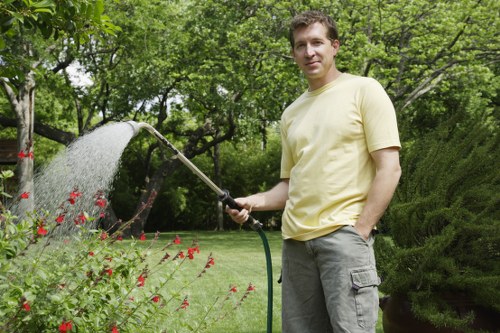
Every area has its own gardening challenges, and New Addington is no exception. The local climate, exposure to wind, shade, and soil conditions all affect how hedges grow. Some gardens may have fast-growing hedges that respond quickly to trimming, while others may contain slower-growing varieties that need a gentler touch. Understanding these conditions is key to successful hedge maintenance.
In many parts of New Addington, hedges face a mix of sun and shade, especially where properties are bordered by fences, neighbouring homes, and mature trees. This can cause uneven growth, with one side growing faster or becoming thinner than the other. Regular hedge maintenance helps balance that growth, keeping the hedge looking more symmetrical and reducing the need for drastic pruning.
Wind exposure is another factor. Hedges on open boundaries may need more frequent shaping because gusts can bend stems, break young shoots, or create irregular outlines. In these locations, professional hedge trimming in New Addington can help maintain a strong, compact structure that stands up better to the weather.
Common hedge care challenges in the area
- Fast seasonal growth during warmer months
- Uneven light levels across boundaries
- Hedges growing too close to paths, drives, or fences
- Older hedges losing density near the bottom
- Tree-root competition affecting soil moisture and vigour
Benefits of Regular Hedge Trimming
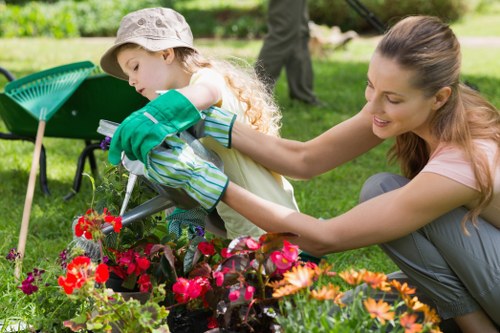
One of the biggest benefits of regular hedge trimming is control. Instead of allowing hedges to become unruly, occasional maintenance keeps them at a desirable height and width. This means less strain on the plant, less effort during each visit, and a more attractive result overall. Many property owners find that small, regular cuts are far easier to manage than one major cut after months of growth.
Another key benefit is privacy. A hedge that is trimmed properly forms a dense, even screen, which can shield gardens from overlooking neighbours or passing traffic. In New Addington, where many residents value a private and welcoming outdoor area, this can make a significant difference to how the garden feels and functions.
There is also the matter of safety and accessibility. Overgrown hedges can make it harder to see around driveways or entrances, and they can create obstacles for people walking along paths or maintaining the garden. Keeping growth under control helps prevent these issues. Hedge trimming in New Addington therefore supports not only appearance but also safe, practical use of the property.
Main advantages at a glance
- Cleaner, more attractive garden boundaries
- Improved airflow and plant health
- Better light levels in the garden
- Stronger privacy and structure
- Easier long-term maintenance
When Is the Best Time for Hedge Trimming?

The best time for hedge trimming depends on the type of hedge and the result you want to achieve. Some hedges respond well to multiple trims per year, while others are best shaped once or twice a season. In general, light trimming during active growth periods helps keep hedges neat without stressing the plant. More substantial work is often better carried out during dormant periods, depending on the species.
For many hedges in New Addington, spring and summer are the key maintenance seasons. During these months, growth is active, and regular shaping can prevent the hedge from becoming too wide or too tall. However, some species may need attention in late winter or early autumn too. It is always worth matching the timing to the hedge type rather than using a one-size-fits-all approach.
Careful timing is especially important if you want to support nesting birds and local wildlife. Hedge trimming should be planned with awareness of the season and the condition of the hedge. This way, you can maintain a tidy outdoor space while still respecting the natural environment. For many homeowners, hedge trimming in New Addington works best when done regularly, but not aggressively.
Seasonal considerations
- Spring: Useful for shaping emerging growth and correcting winter damage
- Summer: Ideal for keeping fast-growing hedges neat and compact
- Autumn: Helpful for final tidy-up work before winter
- Winter: Suitable for some hedge types when growth is slower
Different Hedge Types and Their Trimming Needs
Not every hedge should be treated the same way. Different species have different growth rates, densities, and ideal trimming patterns. Some hedges benefit from precise shaping, while others need a softer, more natural finish. Understanding the hedge type helps avoid mistakes and ensures a healthier result.
Popular hedges often found in New Addington include privet, leylandii, beech, laurel, yew, hawthorn, and mixed native hedging. Each has its own strengths. Privet is fast-growing and responds well to regular trimming. Laurel creates a broad, glossy screen but can become bulky if neglected. Yew grows more slowly and can be shaped very neatly, while beech offers seasonal interest and requires thoughtful maintenance.
When dealing with hedge trimming in New Addington, it is useful to know whether the hedge should be clipped lightly or reduced more significantly. Over-trimming can cause stress, while under-trimming may allow the hedge to lose form. The right method depends on growth rate, age, height, and the overall purpose of the hedge.
Examples of common hedge needs
- Privet: frequent shaping for a sharp, tidy line
- Laurel: moderate trimming to control size and spread
- Yew: careful shaping for a formal finish
- Beech: seasonal trimming to preserve density and appearance
- Mixed native hedges: lighter work to support wildlife and natural structure
How Professional Hedge Trimming Improves Results
Many people start hedge maintenance themselves, but professional hedge trimming often delivers a better and more consistent finish. Skilled work can make a major difference, particularly for tall hedges, thick growth, or hedges with awkward shapes. A professional approach can also save time and reduce the risk of uneven cuts, missed sections, or accidental damage to nearby plants and structures.
One advantage of expert hedge cutting is precision. A trained pair of eyes can identify where growth needs to be reduced, where the hedge needs thinning, and how to shape the outline for the best long-term result. That precision is especially useful in front gardens, along driveways, and on boundaries where the hedge is a major visual feature.
Hedge trimming in New Addington is often more effective when carried out with the right tools and a clear plan. Sharp cutting equipment, stable access methods, and a proper understanding of hedge structure all help produce a clean finish. This can improve both the appearance and the vitality of the hedge.
Practical Tips for Maintaining Healthy Hedges
Even when professional trimming is used, good ongoing care helps hedges stay strong between visits. Watering during dry periods, checking for pest issues, and keeping the base clear of weeds can all support healthy growth. Feeding may also be helpful for some hedges if the soil is low in nutrients.
It is also useful to monitor the hedge shape throughout the year. If one section starts to grow faster than the rest, a light correction early on is easier than waiting until the hedge becomes uneven. This is particularly true for hedges along property boundaries, where overgrowth can quickly create tension with neighbours or affect access.
Another practical step is to avoid cutting too deeply into old woody stems unless the species can tolerate it. Many hedges respond better to gradual shaping than severe reduction. Regular maintenance trimming is usually the safest route for long-term structure and density.
Helpful maintenance habits
- Inspect hedges after storms or high winds
- Remove damaged shoots before they spread
- Keep the hedge base wider than the top for better light penetration
- Trim regularly rather than waiting for major overgrowth
- Watch for disease, dieback, or pest activity
Hedge Shaping for Kerb Appeal and Garden Design
Hedges are not only functional; they are also an important part of garden design. A carefully trimmed hedge can frame a lawn, define a patio, or create a natural backdrop for flowers and shrubs. In a place like New Addington, where gardens often serve as extensions of the home, good hedge shaping can noticeably improve kerb appeal.
Formal hedges suit clean lines and straight edges. Informal or wildlife-friendly hedges may look better with a slightly softer finish that preserves natural character. The ideal shape depends on the garden style and the role the hedge plays in the landscape. For example, a front boundary hedge may need a crisp, welcoming look, while a rear garden hedge may prioritise privacy and shelter.
Hedge trimming in New Addington can therefore be seen as part of the wider design of the outdoor space. It is not just a maintenance task; it is a way to make the garden feel balanced, cared for, and visually appealing. When shaped well, a hedge helps structure the whole property.
Safety, Access, and Legal Awareness
There are also practical and legal reasons to keep hedges under control. If a hedge grows over a pavement, driveway, or boundary line, it can create access issues and reduce visibility. In some cases, overgrown hedges can lead to complaints or the need for urgent corrective work. Keeping them trimmed regularly helps avoid these problems.
Safe working practices matter too. Tall hedges, dense hedges, and hedges near walls or fences can be difficult to manage without proper equipment and care. Working at height, handling cutting tools, and clearing trimmings all require attention. This is one reason many residents choose experienced help for hedge trimming in New Addington rather than tackling large jobs alone.
For larger properties, business premises, or shared boundaries, a well-managed hedge also helps maintain a neat and professional appearance. It signals that the space is well looked after and that access routes have been kept clear for everyday use.
Situations where professional support is especially useful
- Hedges over a certain height
- Dense or mature hedges that need careful reshaping
- Boundary hedges near paths, roads, or driveways
- Hedges with uneven or neglected growth
- Properties where time and safety are major concerns
Choosing the Right Approach for Your Hedge
The right hedge trimming approach depends on your goals. Do you want a formal, geometric shape? Are you trying to restore an overgrown hedge? Or do you simply want to keep things tidy through the season? Clarifying the aim helps determine how much should be cut and when the work should happen.
For many homeowners, a balance works best. Light, regular maintenance keeps the hedge neat without causing stress. If the hedge has become too large, a staged reduction is often safer than a dramatic cut-back. This preserves the hedge’s health while gradually returning it to a manageable size.
In New Addington, the most successful hedge trimming usually combines timing, technique, and consistency. That combination supports stronger growth, improved appearance, and fewer problems over time. Whether the hedge is decorative or practical, a sensible plan will always deliver better results than occasional rushed cutting.
Questions to ask before trimming
- What type of hedge do I have?
- How tall and wide should it be?
- Is it better to trim lightly or reduce in stages?
- Are there nesting birds or seasonal wildlife concerns?
- Do I need a quick tidy-up or a full reshape?
Why Local Hedge Care Makes a Difference
Local knowledge matters because garden conditions differ from one area to another. Hedge trimming in New Addington benefits from an understanding of local property styles, typical hedge varieties, and the seasonal patterns that affect growth in the neighbourhood. This makes it easier to recommend the right maintenance schedule and produce a finish that suits the setting.
Homeowners often prefer someone who understands how hedges behave in residential streets, corner plots, and mixed-use garden spaces. A local approach is usually more responsive to weather changes, plant growth cycles, and the practical needs of busy households. That means better timing, better results, and a hedge that remains manageable throughout the year.
When hedge care is handled properly, the whole garden benefits. Paths feel more open, boundaries look sharper, and the property has a more finished appearance. Regular hedge trimming in New Addington is a simple investment that can improve everyday living and add lasting value to the outdoor space.
Final Thoughts on Hedge Trimming in New Addington
Hedge trimming is one of the most effective ways to keep a garden attractive, healthy, and under control. In New Addington, where hedges often play a major role in privacy, presentation, and boundary definition, regular care is especially valuable. From seasonal trimming and shaping to restoring neglected hedges, the right approach can transform an outdoor space.
By paying attention to hedge type, timing, safety, and growth habits, you can maintain a cleaner and more enjoyable garden throughout the year. Whether you are looking after a small front hedge or a long boundary screen, the benefits of consistent maintenance are clear: stronger plants, better appearance, and less work in the long run.
If your hedge is overdue for attention, now is the right time to act. Contact us today to discuss your hedge trimming needs in New Addington, or book your service now to keep your garden neat, healthy, and looking its best.