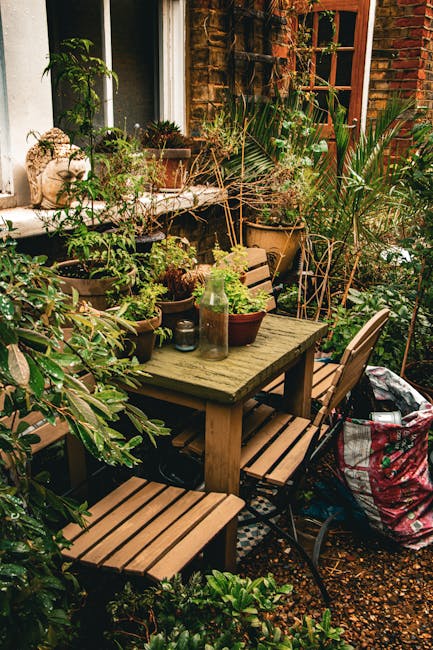
Gardeners for tight gardens Heathfield Estate New Addington
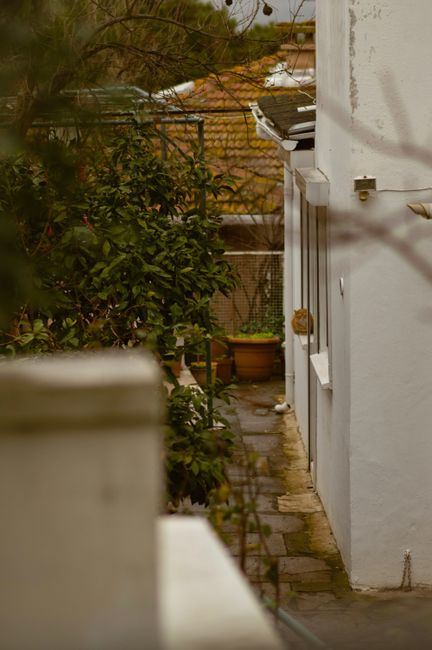
Small gardens can be brilliant. They just need a bit more thought, a sharper eye, and frankly, a gardener who knows how to make every square metre work harder. If you are looking for gardeners for tight gardens Heathfield Estate New Addington, you are probably dealing with the usual mix of narrow borders, awkward corners, limited sunlight, close neighbours, and not nearly enough space for all the ideas in your head.
That is where the real value of compact-garden expertise comes in. A good approach is not about cramming more in. It is about making the space feel calmer, easier to maintain, and more useful day to day. In a tight New Addington garden, that might mean smarter planting, vertical features, restrained hard landscaping, or simply choosing the right maintenance rhythm so the plot never feels overwhelmed. Let's look at what works, what does not, and how to get more from a small outdoor space without making it feel busy or boxed in.
Expert summary: The best results in small gardens usually come from simplifying the layout, choosing the right plants, and keeping maintenance predictable. A tight garden can still feel generous if it is designed with intention.
Why Gardeners for tight gardens Heathfield Estate New Addington Matters
Tight gardens are not just "smaller versions" of bigger gardens. They behave differently. Every decision matters more because there is less room for error. If a border is overplanted, it feels crowded fast. If a hedge is left too wide, it can steal light. If a paving choice is too heavy, the whole space can seem reduced again. A compact outdoor area has to earn its keep.
In Heathfield Estate and the wider New Addington area, many gardens need to do several jobs at once: a place to relax, a space for children, a patch for growing herbs or vegetables, somewhere for pets, and ideally somewhere that still looks good when you glance out of the kitchen window. That is a lot for a modest footprint. It is also why experienced gardeners matter. They can read the site properly rather than treating it like a generic square of lawn.
Another reason this matters is maintenance. Small gardens can become messy quicker than you expect. A few weeds, a tired shrub, or an awkward strip of unused ground can make the whole area feel unfinished. With the right garden care, though, even a narrow plot can look crisp and intentional. That visual order makes a big difference. You notice it the moment you step outside, or even before that, from the back door on a damp Tuesday morning.
For many homeowners, the goal is not a grand redesign. It is something simpler: a garden that feels manageable. And to be fair, that is often the smarter ambition.
For broader upkeep support, it can help to look at regular garden maintenance alongside a compact-space plan, especially if the garden has become uneven over time.
How Gardeners for tight gardens Heathfield Estate New Addington Works
Working in a tight garden usually starts with restraint. That sounds obvious, but it is the bit people skip. Instead of asking, "What can we add?", the better question is, "What can we remove, reduce, or reshape so the space breathes?"
A practical process often looks like this:
- Measure the usable space properly. Not just the overall garden size, but the actual areas you walk on, open, sit in, or need clear for access.
- Map the light and exposure. A shady north-facing corner needs different planting from a sun-trap patio or a breezy side return.
- Decide the main function. A compact garden cannot excel at everything at once. Pick the top two or three uses.
- Choose a layout that reduces visual clutter. Clean edges, simple shapes, and one or two focal points usually work better than lots of small features.
- Build planting around height, texture, and seasonality. This is where you can make a small garden feel layered without making it chaotic.
- Plan for maintenance from day one. If it is hard to reach, hard to water, or hard to trim, it will become a problem later. Usually sooner rather than later.
The physical work may include hedge trimming, pruning, border reshaping, patio cleaning, planting design, or light landscaping changes. In compact plots, maintenance and design are closely linked. A tidy line at the edge, a slimmer hedge profile, or a more suitable ground cover can open up a space immediately.
Some gardens also benefit from vertical gardening, especially where floor space is limited. A wall, fence, or trellis can take climbing plants, small containers, or training systems that keep the ground clear. For ideas on that approach, see eco-friendly landscapes with vertical gardening.
And if privacy is part of the brief, height has to be handled carefully. The wrong hedge can make a small space feel boxed in, while the right one gives shelter without swallowing the garden. There is a nice balance to get right there.
Key Benefits and Practical Advantages
When a compact garden is planned well, the benefits go far beyond appearance. You start getting a garden that works with your lifestyle instead of fighting it.
- Better use of every corner. Dead spaces become useful spaces.
- Less visual overload. Simpler layouts feel calmer and more premium.
- Lower maintenance stress. Smaller areas need smarter upkeep, not endless effort.
- More light and openness. Good pruning and spacing can make a garden feel larger than it is.
- Improved privacy. Carefully chosen planting can screen neighbours without heavy structures.
- Safer movement. Clear paths and tidy transitions reduce awkward trips and muddy patches.
- More flexible use. A tight garden can still hold seating, planting, storage, or play zones if the layout is disciplined.
One of the biggest advantages, truth be told, is psychological. People relax more in a garden that does not feel overstuffed. A tight space with a crisp edge and a clear purpose feels inviting. It says, "Come outside, have a seat, stay a while."
There is also a practical cost angle. In compact gardens, improvements often deliver visible results quickly because you are working with a smaller area. That can make a tidy layout, selective planting, or proper boundary treatment a very efficient use of budget. If you are planning carefully, a pricing and quotes conversation is a sensible early step, not a last-minute one.
Who This Is For and When It Makes Sense
This kind of gardening support is a strong fit if your outdoor space has one or more of these characteristics:
- It is narrow, enclosed, or split into awkward sections.
- You want the garden to look better without losing usable space.
- The plot needs privacy from nearby homes or shared access areas.
- You are short on time and need manageable upkeep.
- The garden has become cluttered, tired, or difficult to enjoy.
- You want seating, planting, or a small lawn without overcrowding everything.
- Previous DIY work has made the layout feel patchy or unbalanced.
It also makes sense if you are in a period of change. Maybe you have just moved in and the garden is blank and uninspiring. Maybe the family has changed and the space needs to work for children or pets. Maybe the lawn is too demanding, or the patio is stained and visually dragging the whole area down. Small gardens tend to reflect life changes quite quickly.
Some people think compact gardens are only about aesthetics. Not really. They are often about reducing friction. Less fumbling around with awkward corners. Less mowing around a tiny unusable strip. Less nagging sense that the garden is almost right but not quite. That is usually the turning point.
If your garden has become more work than joy, services like general gardening services or a more focused lawn care plan can be a practical way back to order.
Step-by-Step Guidance
Here is a straightforward way to approach a small-garden improvement without getting lost halfway through.
- Start with a clear purpose. Decide whether the space is mainly for relaxing, planting, entertaining, or family use. One main purpose, maybe two.
- Clear the visual noise. Remove broken pots, old edging, overgrown self-seeders, and anything that does not have a job.
- Work out the access routes. Where do you actually walk? Where do you need a clear path to bins, gates, sheds, or seating?
- Cut back oversized features. Hedges, shrubs, and climbers should suit the scale of the space. In tight gardens, "just a bit bigger" often means "too much."
- Choose compact planting. Go for plants that naturally stay neat, respond well to pruning, or provide interest without swallowing the bed.
- Add one strong structural element. A bench, slim raised bed, small pergola, or simple screen can anchor the design.
- Finish with low-fuss detailing. Mulch, edging, and clean patio surfaces make a bigger difference than people expect.
One useful rule: if a feature does not improve flow, privacy, or enjoyment, question whether it deserves space. Tight gardens reward honesty. A lot.
If your main issue is the lawn itself, a specialist approach can help. In small gardens, lawn mowing is not just about cutting grass; it is about keeping the whole layout crisp. See lawn mowing support if the turf has become part of the problem rather than part of the solution.
For mature shrubs, hedges, or boundary growth, sensible trimming matters too. A well-shaped edge can change the way a garden feels in ten minutes flat. That is not an exaggeration, by the way. For practical trimming work, this guide to hedge trimming in New Addington is directly relevant.
Expert Tips for Better Results
Small gardens reward smart choices, not heroic effort. A few good decisions can do more than an entire weekend of enthusiastic guessing.
1. Use height carefully
Vertical layers help a tight garden feel fuller, but too much height at once can feel severe. Try combining one taller feature with lower planting around it. That gives the eye a place to rest.
2. Keep the palette limited
Two or three repeated materials usually look better than a jumble of stone, wood, metal, terracotta, gravel, and coloured planters all fighting for attention. Restraint looks expensive, even when it is not.
3. Prune for shape, not just size
In a compact space, pruning should improve proportion as much as size. A shrub can be healthy and still look too heavy for its spot. Shape matters. The article on the art of shaping hedges is a good reminder that form and function go hand in hand.
4. Choose plants with a job to do
Every plant should earn its place: soften a wall, provide privacy, add scent, improve drainage, attract pollinators, or create seasonal interest. Decorative-only planting is fine, but in a small garden, usefulness gives better value.
5. Watch for wind and shade
New Addington gardens can be affected by exposure in different ways depending on the plot. A tight garden that is windy or shaded will need tougher, more considered planting. If that sounds familiar, the ideas in designing a garden that thrives in windy conditions and evergreens in shaded spaces are well worth a look.
6. Keep maintenance visible and simple
If the garden looks tidy only when a lot of effort is hidden behind the scenes, it is not a long-term win. Better to design a space that looks decent on an ordinary Wednesday than a space that needs a ceremonial reset every fortnight.
7. Build in one place to sit
Even the smallest garden benefits from a dedicated pause point. A bench, small bistro set, or tucked-away seat can make the space feel complete. There is a nice article on inviting seating concepts if you are unsure where to start.
Common Mistakes to Avoid
Most compact-garden problems come from trying to do too much at once. That is the honest version.
- Overplanting borders. Plants need room to mature. A bed packed at installation often becomes a maintenance headache within months.
- Using oversized furniture. A chunky bench or huge table can make the whole garden feel cramped.
- Ignoring access. If you cannot comfortably reach the back corner, it will become the forgotten corner.
- Choosing thirsty or high-maintenance planting. A small garden should not become a full-time job.
- Letting hedges dominate. Privacy matters, but overgrown boundary planting can turn a useful garden into a shaded corridor.
- Mixing too many design styles. A bit of this and a bit of that often reads as clutter rather than creativity.
- Skipping the clear-up phase. Sometimes the fastest upgrade is simply removing what does not belong.
We see this a lot: a homeowner spends money on features before dealing with the basics. Then the lovely new feature sits in a garden that still feels unresolved. Bit of a shame, really.
If weeds are the main thing making the space feel unmanaged, start there. A careful approach like the one discussed in these precision weed control tips can make a small garden feel instantly more polished.
Tools, Resources and Recommendations
You do not need a shed full of gear to improve a tight garden. In fact, too many tools can become part of the clutter. A lean kit is usually best.
| Need | Useful approach | Why it helps in a tight garden |
|---|---|---|
| Pruning and shaping | Sharp secateurs, hedge trimmers, loppers | Maintains proportion and stops plants from swallowing space |
| Surface cleaning | Pressure washing or careful patio cleaning | Makes the garden feel brighter and larger |
| Plant support | Trellises, ties, slim supports | Creates height without occupying much ground |
| Border control | Edging tools, mulch, compact ground cover | Keeps the layout tidy and visually defined |
| Ongoing upkeep | Basic lawn and border maintenance tools | Prevents small problems becoming big ones |
For homeowners who like a more eco-conscious approach, there are sensible ways to reduce waste and improve soil health. A useful starting point is organic waste garden activator ideas. If you are filling narrow gaps or softening awkward corners, ground cover can also be a smart option; see these ground cover ideas for UK gardens.
For people working with balconies, side returns, or exceptionally tight layouts, container planting can be a practical route. It keeps things flexible, and if a pot is in the wrong place, you can move it. Lovely, simple, no drama. The same goes for container gardening, which is surprisingly useful beyond balconies too.
If you want to understand the wider service picture, about us gives a sense of the team behind the work, while ongoing maintenance support can help keep improvements looking sharp over time.
Law, Compliance, Standards, or Best Practice
For most domestic garden work, the main thing is not legal complexity, but good practice. Still, there are a few points worth keeping in mind.
Safety matters. Any work involving ladders, cutting tools, power equipment, heavy materials, or awkward access should be handled carefully. Responsible gardeners should be able to explain how they manage safe working methods. If that matters to you, it is reasonable to ask about health and safety policy and insurance and safety before work begins.
Clear terms help everyone. For larger jobs or ongoing maintenance arrangements, it is sensible to understand what is included, how changes are handled, and how payment works. The pages on terms and conditions and payment and security are useful reference points when you want things clear upfront.
Respect for neighbours is practical, not just polite. In compact residential settings, noise, access, hedge width, and debris handling can affect the people next door. Good gardeners think about that before they start, not after someone has had a word over the fence.
Accessible, fair service matters too. If you are comparing providers, the pages on accessibility, complaints procedure, and privacy can help you understand the standards behind the service.
None of that is glamorous. But it is the unglamorous stuff that makes the whole experience smoother.
Options, Methods, or Comparison Table
There is no single way to improve a tight garden. The best route depends on what you want it to do and how much change you are comfortable with.
| Approach | Best for | Pros | Trade-offs |
|---|---|---|---|
| Light tidy-up and maintenance | Gardens that are basically sound but untidy | Quick, cost-conscious, low disruption | Won't fix poor layout on its own |
| Planting refresh | Gardens that need more structure or colour | Improves appearance without major building work | Requires the right plant choices and aftercare |
| Boundary and hedge shaping | Spaces that feel boxed in or overgrown | Can increase light and openness fast | Needs careful judgement to avoid overcutting |
| Small-scale landscaping | Gardens with awkward levels or poor flow | Better movement, stronger structure, more usable space | Usually more involved and needs planning |
| Vertical and container planting | Very tight or hard-surfaced plots | Space-efficient and flexible | Can need regular watering and feeding |
In many real gardens, the best result is a combination. For example, a compact Heathfield Estate garden might need a hedge reduction, a cleaner patio edge, and a simpler planting scheme all at once. That kind of blended solution usually feels much more complete than chasing one big dramatic fix.
Budget matters too, of course. If you are working to a limit, the budget-friendly landscaping ideas in simple and sustainable landscaping ideas can help you prioritise where the money goes first.
Case Study or Real-World Example
Imagine a small rear garden in Heathfield Estate with a narrow strip of lawn, a tired patio, and a mixed hedge boundary that has slowly widened over time. Nothing is dramatically broken, but the space feels smaller every year. It is one of those gardens where you stand at the back door and think, "We ought to do something here," then close the door and make tea instead. Happens all the time.
The first sensible step would not be to rip everything out. It would be to simplify. The hedge line could be brought back to a slimmer, more manageable shape. The patio could be cleaned and edged properly. A couple of overlarge shrubs could be replaced with lower-maintenance planting. Then, if there is enough sun, a pot cluster or narrow raised bed could add structure without eating into the usable floor area.
Now the garden has movement. It feels cleaner, more open, and easier to read. You can see where to walk, where to sit, and where the eye should go. That is the kind of result compact-garden work aims for: not flashy, just quietly effective.
If the family wants a stronger privacy screen, a carefully chosen hedge or evergreen backdrop can work without making the area feel shut in. If children or a dog use the space, the layout would need to keep paths clear and planting robust. The point is that the garden gets designed around real life, not against it.
That is why local, practical experience matters. Small-space gardening is part design, part restraint, part maintenance rhythm. Get those three right, and the space improves fast.
Practical Checklist
- Measure the usable area, not just the full boundary.
- Decide the garden's main purpose before adding features.
- Remove clutter, dead growth, and anything that blocks flow.
- Check where light, shade, and wind hit through the day.
- Keep planting layers simple and proportionate.
- Trim hedges and shrubs so they suit the scale of the space.
- Use vertical or container planting where ground space is limited.
- Leave enough room to move, sit, and maintain the garden.
- Clean surfaces and edges for an instant visual lift.
- Make a realistic maintenance plan you can actually keep up.
One extra thing: walk through the garden after the work is done and look at it from the back door, the side gate, and the main seating spot. You will often spot a leftover problem the first time you do that. Happens every time, almost annoyingly.
If you are ready to improve a compact outdoor space, it makes sense to speak with a team that understands the balance between design and upkeep. For a simple next step, visit the contact page and ask about what is possible for your garden.
Get a free quote today and see how much you can save.
Conclusion
Compact gardens ask for judgement more than extravagance. The right gardener will know when to cut back, when to simplify, when to add height, and when to leave well alone. That is especially important in Heathfield Estate and New Addington, where many small gardens need to work hard without looking busy or overdone.
The best outcome is not a garden packed with features. It is a garden that feels easy to use, easy to maintain, and quietly satisfying every time you open the door. A bit calmer. A bit cleaner. A bit more you.
And if that means turning a tight patch into a place you genuinely enjoy at 7:30 in the morning with a mug of tea in hand, well, that is a pretty good result.
Frequently Asked Questions
What do gardeners for tight gardens Heathfield Estate New Addington usually help with?
They usually help with making small gardens more usable and less cluttered. That can include pruning, hedge shaping, border tidying, planting, patio cleaning, lawn care, and small layout improvements. The aim is to make the space feel larger and easier to maintain.
How do you make a small garden look bigger?
Use simple layout lines, reduce visual clutter, keep planting proportionate, and avoid oversized furniture or plants. Clean edging, good pruning, and a limited material palette also help a lot. Even a few clear sightlines can change the feel of the space.
Is a lawn a good idea in a tight garden?
Sometimes yes, sometimes no. A small lawn can soften a compact garden and make it feel open, but if it is awkward to mow or takes up too much useful space, a different surface or planting mix may work better. It depends on how you actually use the garden.
What plants work best in compact outdoor spaces?
Plants that stay naturally neat, respond well to pruning, or provide vertical interest tend to work well. Evergreen structure, ground cover, herbs, and smaller flowering shrubs are often useful. The best choice depends on shade, sun, wind, and how much maintenance you want.
Can a tight garden still have privacy?
Yes, absolutely. Privacy can be created with hedges, screening plants, trellis, or careful positioning of taller features. The trick is keeping the screen slim enough that the garden does not feel boxed in. That balance matters.
How often should a small garden be maintained?
That depends on the planting and the pace of growth, but smaller gardens usually benefit from regular light attention rather than long, infrequent clear-outs. A modest maintenance routine is often enough to keep them looking sharp.
What if my garden is narrow and shaded?
Then plant choice becomes even more important. Shade-tolerant species, evergreen structure, and good spacing matter. Narrow gardens also benefit from vertical planting and careful use of light colours or reflective surfaces where suitable.
Are compact gardens expensive to improve?
Not necessarily. Because the space is smaller, even modest changes can make a big difference. The key is to spend where it matters most: on layout, structure, and the areas that have the biggest visual impact.
Can I combine seating and planting in a very small garden?
Yes, and it is often the best use of space. Built-in or slim seating, corner benches, and container planting can work well together. The seating should fit the scale of the garden rather than dominate it.
What should I ask before hiring a gardener for a small garden?
Ask how they handle compact spaces, what they recommend for maintenance, whether they understand privacy and light issues, and how they approach safety and insurance. It also helps to ask for clear pricing and what is included in the work.
Do I need full landscaping, or just maintenance?
If the layout is basically sound, regular maintenance may be enough. If the garden feels awkward, poorly divided, or difficult to use, some landscaping changes may be worthwhile. A good gardener will help you decide without pushing for more work than you need.
Where should I start if my tight garden feels overwhelming?
Start by clearing clutter, trimming overgrowth, and deciding what the garden is for. That simple reset makes everything easier. Once the space is readable again, the next decisions become much clearer.