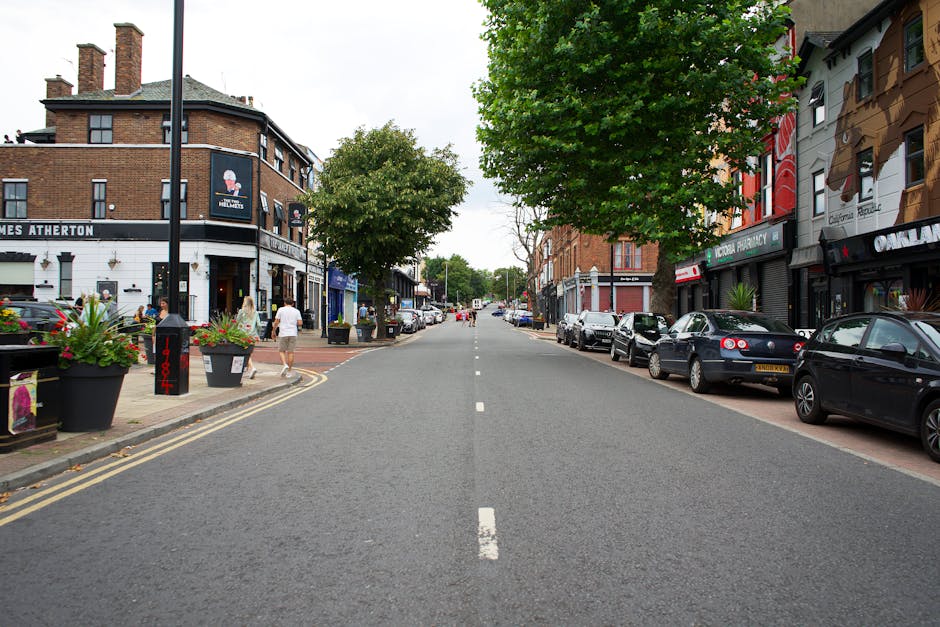
Gardeners for Central Parade shops New Addington: practical local support for tidy, welcoming outdoor spaces
If you manage or own a shop near Central Parade, you already know the outside of the property matters just as much as the inside. A clean frontage, healthy planting, well-kept hedges, and safe access points can make a small commercial space feel more inviting straight away. That is where Gardeners for Central Parade shops New Addington become genuinely useful: they help keep the outdoor setting presentable, manageable, and ready for day-to-day business. Whether you need routine maintenance, a one-off tidy-up, or a more considered planting plan, the right support saves time and, to be fair, a lot of hassle.
This guide explains what local gardening support usually involves, how it works, what to expect, and how to choose the right approach for a shop environment. It also covers practical pitfalls, compliance points, and simple decisions that can make the difference between a patchy look and a frontage that quietly does its job well.
Why Gardeners for Central Parade shops New Addington Matters
Shopfront planting and external upkeep are not just decorative extras. For a retail or service business, the outside area is part of the customer experience. A planter that has gone leggy, a hedge blocking sightlines, or weeds pushing through paving can quietly change how people feel before they even open the door. That first impression is fast, and a bit ruthless, frankly.
Central Parade shops sit in a setting where footfall, weather exposure, and daily wear all matter. Customers may be passing quickly, carrying bags, or looking for a specific store. If the frontage is cluttered or tired, it can make a business look less cared for even when the service inside is excellent. Regular gardening support helps keep the exterior aligned with the quality of the business itself.
There is also a practical side. Overgrown shrubs can reduce visibility, leaf build-up can create slippery patches, and neglected borders can attract litter. In our experience, the most effective commercial gardening is the kind you barely notice because everything simply looks right. Not flashy. Just right.
If your site includes hedging or boundary planting, shaping and timing matter too. A useful starting point is hedge trimming support in New Addington, especially where access, visibility, or neatness need to be maintained without creating disruption.
How Gardeners for Central Parade shops New Addington Works
Good shopfront gardening usually starts with an assessment of the site rather than a fixed routine. Every premises has different needs. One shop may have compact paving and a couple of planters. Another may have hedging, a small lawn edge, and rear access that also needs tidying. The process should be flexible, not cookie-cutter. Cookie-cutter is how you end up with the wrong plants in the wrong place. And nobody needs that.
A typical service begins with a walkthrough or remote discussion about the site, the priorities, and the practical constraints. For example, does the entrance need to stay open during working hours? Is there limited storage for green waste? Are there safety concerns around public access, cables, wet surfaces, or steps? Those details shape the plan.
From there, the work might include:
- clearing litter, leaves, and small debris
- weeding borders, paving joints, and around signage
- hedge shaping and shrub control
- lawn mowing or edge trimming, where relevant
- seasonal planting and replacement of tired displays
- pruning for shape, light, and visibility
- patio or frontage cleaning where moss or grime has built up
The service may be booked as a one-off tidy-up or as recurring maintenance. For many local businesses, recurring visits make more sense because outdoor areas grow and change quickly. A couple of warm, wet weeks and suddenly the place looks different. You know how it goes.
For broader upkeep, it can help to combine frontage work with general garden maintenance so the whole outside area stays consistent rather than looking half-managed and half-forgotten.
Key Benefits and Practical Advantages
The main benefit is straightforward: a neat exterior helps a business look open, organised, and easy to trust. But there are several less obvious advantages too.
1. Better customer perception
People often assume a cared-for exterior reflects a cared-for business. That is not always fair, but it is real. Clean edges, trimmed planting, and well-kept hard landscaping help set the tone before anyone walks in.
2. Safer access
Regular attention to paving, edges, and growth near entrances can reduce trip hazards and blocked sightlines. For shops, safety is not an optional extra. It is basic good sense.
3. Less expensive damage in the long run
When weeds get into joints, roots spread unchecked, or hedges are left too long, the eventual fix can take more time and money. Routine care often prevents the bigger repair job later. That is one of those boring truths that turns out to be useful.
4. More resilient planting
Plants that are chosen and maintained properly tend to cope better with local conditions. That includes wind, shade, winter stress, and general foot traffic near commercial properties. A tidy bed is nice, but a resilient bed is better.
5. Less disruption to trading
Shop owners usually want work done quickly, neatly, and with minimal mess. A good gardening setup can be planned around opening hours, deliveries, and customer access so the business keeps moving.
If the frontage includes a lawn or grass strip, it may also be worth linking care with lawn care or lawn mowing where those are part of the site.
Who This Is For and When It Makes Sense
This kind of support is especially useful for shop owners, leaseholders, managing agents, landlords, and business operators who have responsibility for a visible exterior space. If you are in charge of the place but not trying to become a part-time groundskeeper, you are exactly the sort of person who benefits from reliable local help.
It makes sense when:
- the frontage looks tired or overgrown
- weeds are appearing too often to handle casually
- hedges or shrubs are blocking light or signage
- the shop entrance needs seasonal refreshes
- you want a cleaner, more professional street presence
- the site needs safety checks after storms or heavy rain
- you want to improve planting without creating extra maintenance
It also makes sense if several small problems have started to pile up. One dead planter is manageable. Three dead planters, weeded paving, and a hedge growing into a sign? That starts to look like a chore list rather than an exterior.
Shop environments benefit from practicality, so sometimes the right call is not a full redesign. It is simply proper upkeep. Other times, a fresh layout, improved planting structure, or better visibility from the pavement can make a genuine difference. If the current layout feels awkward, a well-planned landscaping project may be the better move.
Step-by-Step Guidance
Step 1: Walk the site like a customer would
Start at the pavement and look at the approach to the shop. Can people see the entrance clearly? Is anything spilling into the walkway? Are the planters tidy or just taking up space? This simple walk-through often reveals the first priorities.
Step 2: Separate urgent issues from cosmetic ones
A dead hanging basket is not the same as a slippery paved entrance or a hedge blocking visibility. Deal with safety and access first, then aesthetics. That order matters.
Step 3: Decide what the site needs regularly
Some tasks should happen often, such as litter pick-up, edging, and light weeding. Others may be seasonal, like planting changes, hedge shaping, or patio cleaning. Routine matters more than drama.
Step 4: Choose low-maintenance planting where possible
For busy commercial spaces, plants should earn their keep. Choose species that stay neat, tolerate exposure, and do not demand constant rework. For shadier fronts, the right evergreens can help the site look lively year-round. There is a useful discussion of that in this piece on evergreen planting in shaded spaces.
Step 5: Build in weather resilience
Shopfronts in New Addington can face wind, rain, and sudden seasonal shifts, so planting and materials should be selected with that in mind. If your site gets battered by the weather, garden design for windy conditions is worth reviewing, along with weatherproofing guidance for outdoor spaces.
Step 6: Keep access and safety in view
Any work done near entrances, steps, or public paths should be managed carefully. Good contractors will think about timing, debris control, and how to leave the area usable. Not glamorous, but essential.
Step 7: Review the results and adjust
After the first few visits, check whether the plan is working. Do plants hold their shape? Is litter under control? Does the frontage look better from a distance as well as up close? Small adjustments early on usually prevent frustrations later.
Expert Tips for Better Results
A few small decisions can improve commercial garden care far more than people expect.
- Keep planting simple near the entrance. The busiest visual area should be easy to maintain and easy to read from the street.
- Use structure, not clutter. A handful of well-chosen containers or shrubs often works better than a crowded mix of plants.
- Prioritise year-round appearance. In a shop setting, the outside needs to look acceptable even in quieter months.
- Plan for weekly wear. Pavements collect dirt, wet leaves, and scattered debris. That is life. Build maintenance around it.
- Trim for visibility. Customers should be able to spot the entrance without guessing.
- Think in zones. Entrance, display, boundary, and rear service areas may each need different levels of attention.
One thing we often see: people overplant the front because they want instant impact, then regret it when growth takes off. A calmer, cleaner layout almost always ages better. If you want to improve the look without a big spend, a few smart ideas from budget-savvy landscaping tips can be surprisingly helpful.
Expert summary: The best shopfront gardening is not the fanciest. It is the kind that stays tidy, supports access, and matches the pace of the business without creating more work than it removes.
Common Mistakes to Avoid
There are a few classic mistakes that crop up again and again. Most are easy to avoid once you know what to watch for.
- Choosing plants for looks alone. Pretty is fine, but if the plant constantly flops, sheds, or outgrows its space, it becomes a problem.
- Ignoring seasonal change. A frontage that looks neat in June may look very different by November.
- Letting hedges get too tall. Once trimming becomes a rescue job, it takes longer and can look harsher afterwards.
- Forgetting hard surfaces. Weed control and patio cleaning matter as much as planting in a retail setting.
- Trying to do everything at once. Better to stabilise the site, then improve it in sensible stages.
- Overlooking the customer journey. Think about what people see as they approach, pause, or leave. Small details count.
People also forget that commercial green spaces need room to breathe. If every inch is packed with planters, signs, bins, and pots, the whole frontage starts to feel cramped. A little restraint goes a long way.
Tools, Resources and Recommendations
For day-to-day garden care around Central Parade shops, the right tools save time and improve consistency. The exact set-up depends on the site, but a well-prepared team usually relies on a practical mix rather than anything overcomplicated.
- hand tools for edging, pruning, and detail work
- lightweight cutting tools for shrubs and hedges
- litter and leaf collection equipment
- pressure or patio cleaning equipment where hard surfaces need attention
- appropriate waste sacks or collection methods
- protective gear for safer working around public access areas
If you are planning a larger refresh, it may help to look at the site as a whole: planting, paving, fencing, and boundary structure. In some cases, practical support with patio cleaning or fencing can make a frontage feel significantly more finished.
For more idea-led reading, these resources are useful starting points: hedge shaping guidance, precise weed control tips, and the first steps in a garden makeover.
Law, Compliance, Standards, or Best Practice
For shopfront gardening, the main compliance issues usually relate to safety, access, and responsible working practice rather than anything complicated or highly technical. That said, the basics matter a lot. A business frontage should not create avoidable trip hazards, obstruct public access, or leave wet surfaces unmanaged after cleaning or pruning.
Good practice usually includes:
- working safely around entrances and shared walkways
- keeping tools, debris, and waste under control
- not blocking customer access during trading hours without warning
- using appropriate methods for pruning, cutting, and disposal
- following sensible site-specific health and safety procedures
Where a contractor is involved, it is sensible to ask how they handle safety, insurance, privacy, and payments. Those are not awkward questions. They are normal questions. If you want to review how a provider approaches those topics, the site's insurance and safety information, health and safety policy, and payment and security information can help set expectations.
It is also sensible to understand the supplier's general terms. For larger or ongoing work, reading the terms and conditions and complaints procedure is just good housekeeping. Boring, yes. Useful, absolutely.
Options, Methods, or Comparison Table
Not every frontage needs the same level of intervention. Sometimes the best choice is a light maintenance visit. Sometimes it is a proper reset. Here is a simple comparison to help you think it through.
| Approach | Best for | Pros | Limitations |
|---|---|---|---|
| Routine maintenance | Busy shopfronts that need consistent tidiness | Predictable, manageable, keeps the site looking sharp | Won't solve larger layout issues on its own |
| One-off tidy-up | Overgrown or neglected exteriors | Fast improvement, useful before inspections or busy periods | Can slip back without follow-up care |
| Planting refresh | Tired displays or seasonal updates | Improves colour and first impressions | Needs good plant selection and aftercare |
| Full landscape update | Frontages that feel cramped, dated, or hard to maintain | Most flexible long-term result | Takes more planning and usually more budget |
For many shop owners, the sensible route is not the most ambitious one. It is the one that can be sustained without becoming a burden. That is why many businesses start with maintenance, then add selective improvements later.
Where privacy, screening, or boundary definition matters, a well-planned hedge can also help. If that is part of your brief, fast-growing hedges for privacy is a handy reference point.
Case Study or Real-World Example
Imagine a small row of shops near Central Parade with a narrow paved frontage, a couple of planters, and a hedge that has grown a little too enthusiastically. The owners are not after a grand redesign. They just want the outside to stop looking tired.
The first visit focuses on clearing debris, pulling weeds from paving joints, reshaping the hedge, and removing dead planting. The second stage introduces lower-maintenance shrubs in the containers and simplifies the layout so the entrance reads more clearly from the street. A few weeks later, the frontage is easier to keep tidy because there is less clutter and fewer awkward corners collecting leaves.
Now, nothing dramatic has happened. No fountains, no celebrity garden designer moment, no grand reveal. But the shop feels more open, better cared for, and easier for customers to approach. That small shift can matter more than a flashy makeover.
If you are planning a similar change, it can help to think in layers: first visibility, then safety, then planting, then finish. In that order. It keeps the project sane.
Practical Checklist
Use this simple checklist before booking work or planning a frontage refresh.
- Walk the site from the customer's point of view
- List the urgent issues first: weeds, safety, blocked access, dead planting
- Decide whether you need a one-off tidy-up or ongoing maintenance
- Check whether hedges, paving, or boundary areas need attention
- Choose plants that suit the level of sun, shade, and wind exposure
- Make sure the plan fits trading hours and customer movement
- Ask how waste will be removed and where it will go
- Confirm safety, insurance, and payment expectations
- Review whether the frontage needs cleaning as well as planting care
- Set a follow-up date so the site does not slip back
And one tiny but useful habit: take before-and-after photos. Not for vanity. Just to judge what really changed, because memory can be a bit generous sometimes.
If you are still shaping the brief, this is a good moment to look at the broader gardening services available, especially if your site needs more than simple trimming.
Get a free quote today and see how much you can save.
Conclusion
Gardeners for Central Parade shops New Addington are about more than keeping things neat. They help create a frontage that feels safe, welcoming, and quietly professional. For shop owners, that matters every single day. A tidy exterior supports the business inside, reduces avoidable maintenance headaches, and makes the whole property easier to manage.
The best results usually come from simple priorities done well: clear access, sensible planting, routine care, and attention to the details people notice before they even think about them. If you approach it that way, the exterior stops being a problem area and starts becoming an asset. Not bad for a few well-chosen improvements and a bit of regular care.
Sometimes, the smallest outdoor changes are the ones that make a place feel properly looked after. And honestly, that feeling carries further than people realise.
Frequently Asked Questions
What do gardeners for Central Parade shops New Addington usually handle?
They typically handle shopfront maintenance such as weeding, hedge trimming, pruning, lawn care where relevant, planting refreshes, and tidying around entrances and paved areas. The exact work depends on the site.
How often should a shopfront garden be maintained?
It depends on the planting and foot traffic, but many commercial fronts benefit from regular visits rather than occasional rescue work. Fast-growing hedges, seasonal plants, and high-visibility spaces tend to need more attention.
Is one-off gardening support enough for a business frontage?
It can be, if the site is small and already fairly tidy. But if weeds, leaf fall, or plant growth are constant issues, ongoing maintenance usually gives better long-term value.
Can gardeners help make a shop look more welcoming without a full redesign?
Yes. Often the biggest improvement comes from neatening the existing layout, replacing tired planting, and making sure the frontage reads clearly from the street.
What should I ask before booking gardening work for a shop?
Ask about scope, timing, waste removal, safety procedures, insurance, and how they handle ongoing maintenance. It is also sensible to ask whether they can work around opening hours.
Do shopfront gardens need different planting than private gardens?
Usually, yes. Commercial spaces generally need lower-maintenance, more resilient plants that stay presentable and do not create constant mess or block access.
What if my shopfront is mostly paved rather than planted?
That is common. In that case, attention may focus on weed removal, patio cleaning, container planting, edging, and making sure the hard landscaping stays neat and safe.
How can I improve privacy at the front of a shop?
Privacy can sometimes be improved with hedges, screening planting, or careful placement of containers. The right solution depends on how much space you have and how visible you want the frontage to remain.
Is weather a big factor for New Addington shopfronts?
Yes, especially for exposed areas. Wind, rain, and seasonal change can affect plant choice, hedge shape, and how quickly debris builds up. Weather-resilient planning makes a real difference.
Should I combine garden care with patio cleaning or fencing work?
If the site needs it, that can be a smart move. A clean patio and tidy boundary often improve the overall impression as much as the planting does. It saves the frontage from feeling half-finished.
How do I know whether I need landscaping instead of maintenance?
If the current layout is awkward, overcomplicated, or hard to keep tidy, a landscaping project may be the better choice. If the structure is fine but the site looks tired, maintenance may be enough.
Where can I learn more about the wider service approach?
You can review the company's about us page for background, and if you need to contact the team directly, use the contact page.